
Where are you from originally and where do you live now?
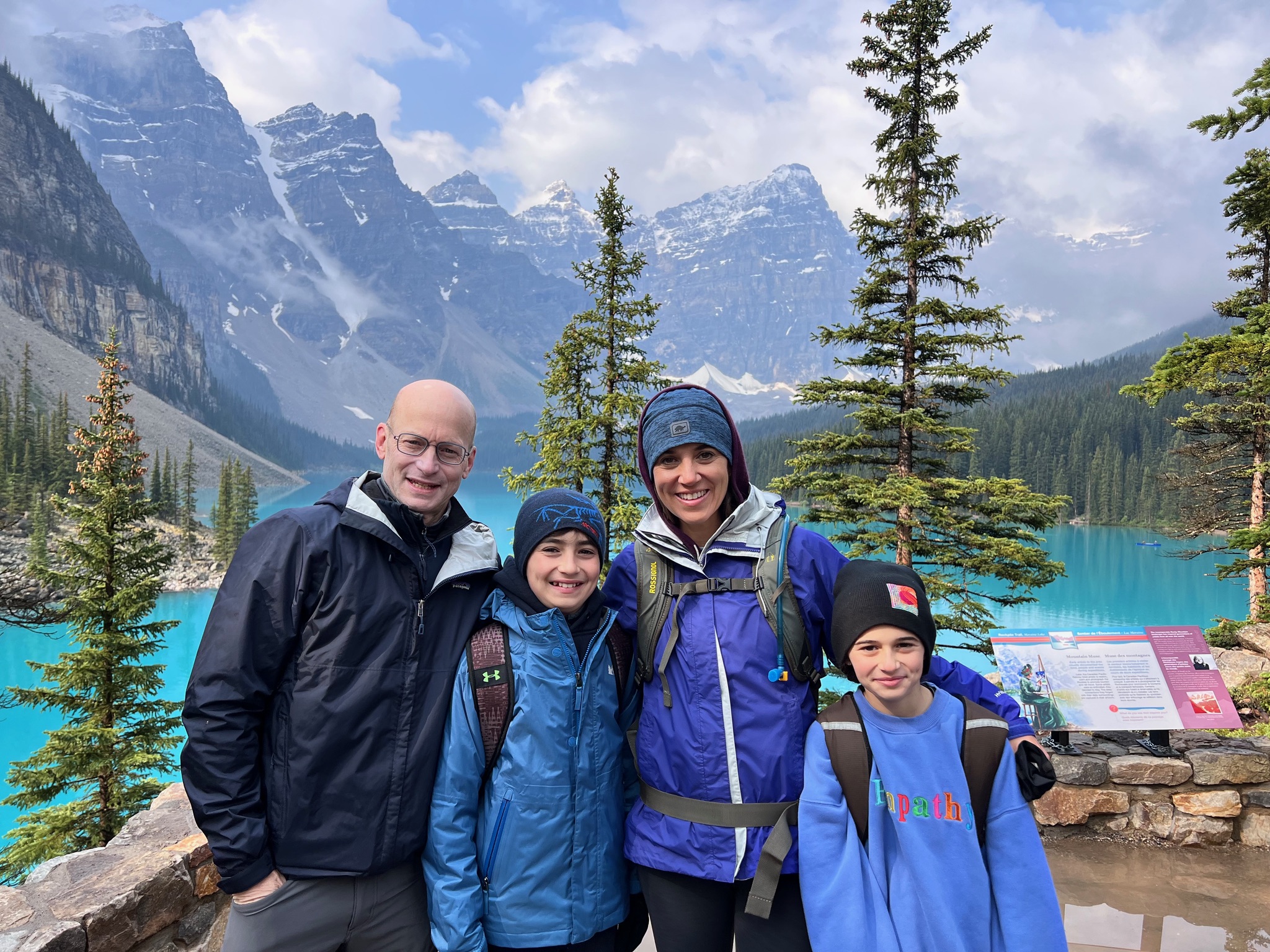
I am originally from Galveston, Texas but I moved to New York City in 2000 and to
Larchmont, NY in 2008.
How many children do you have and what are their ages?
I have three children, ages 16, 14, and 11.
Can you share what inspired you to become a lactation consultant and what continues
to motivate you after 20 years in the field?
I have been in the nursing profession for 25 years, first as a bedside nurse in general
medicine and then in the Neonatal ICU at Mt. Sinai Hospital where I developed my love
for infants and families. I have worked as a family nurse practitioner for 20 years in a
variety of settings, but specifically in general pediatrics for the past 10 years. I currently
work with families in all stages of parenting,
What are some common breastfeeding challenges that new mothers face, and how do
you help them overcome these hurdles?
New mothers may face several challenges after birth that impact their breastfeeding or
lactation journey. Most commonly, is nipple pain secondary to a shallow latch on the
breast. Difficulty achieving a deep latch in those early hours or days can compromise
milk transfer and lead to nipple damage, thus creating hesitancy to continue latching.
This may lead to early pump use or increased reliance on an electric pump which
contributes to a cascade of events, further compromising direct breastfeeding and
eroding a mother’s confidence that she is able to feed her infant on the breast.
Early pump use may prolong periods of engorgement, which leads to a decrease in milk
expression and slow milk flow due to the breast congestion. Engorgement also impacts
effective latching to the breast which can perpetuate nipple pain. (This does not mean
that electric breast pumps are not helpful, but early use is for stimulation, not milk
collection, and understanding the role of pump use is important).
I like to keep feeding plans as simple as they can be. New parents are overwhelmed
with the conflicting messages received by so many different providers (and even social
media), and it is hard to decipher what is the best feeding plan. Hand expression is a
skill I like to familiarize all new mothers with, allowing for milk expression in the early
hours and days after birth if the baby is not able to latch effectively. How to manage
engorgement is also key as many new moms have left the hospital when engorgement
occurs, leaving them feeling physically uncomfortable and concerned they do not have
enough milk or worried their baby is not latching well. Lastly, it is essential for all new
moms to have community resources to call upon after hospital discharge.

In your experience, how does receiving personalized lactation support improve long-
term breastfeeding outcomes for both mother and baby?
Lactation support provides mothers with timely and personalized advice to help them
reach their breastfeeding goals. Support looks different for each family. Every parent is
unique; some may need help managing common complications of lactation, but others
may have a specific medical problem that requires a more tailored approach to care.
This could be something like migraines, a seizure disorder, bipolar disorder, history of
breast surgery, diabetes or high blood pressure. Navigating motherhood, having a new
baby and encountering feeding problems is difficult; lactation support is one way to help
a new parent meet their feeding goals.
What advice would you give to mothers who may be struggling with breastfeeding but
feel pressure to continue? How do you help them find balance?
Feeding plans should be individualized based on the goals set forth by the mother and
her support system (spouse, partner). There are breastfeeding recommendations
outlined by organizations such as the American Academy of Pediatrics and the Centers
for Disease Control and Prevention that help guide clinicians when working with
breastfeeding families.
However, there are many factors that need to be considered when working with mothers
who are struggling with breastfeeding. Assessing the specific challenge is the first step
when formulating a feeding plan; the plan needs to balance the expectation with realistic
goals. Sometimes the challenges are easy to overcome and sometimes they are not.
Having honest discussions and outlining what is reasonable is important. Good advice
is about shared decisions.
What do you find most rewarding about your work, and are there any success stories
that stand out to you over the years?
I love working with new families and I love babies. Helping to empower parents with
knowledge is very rewarding. I am fortunate to have been a part of so many stories;
success is defined by parents feeling in control of their decisions. From the mother of an
infant with cow’s milk allergy who persevered and tolerated an elimination diet and
continued breastfeeding to the early term ex 36 week old infant who can be challenging
to feed on the breast who eventually made it or the mom with mental health struggles
who welcomed help and started medication and felt more like herself.
I have so much respect for mothers and families who acknowledge their struggles, ask
for help and work to meet their goals.
You take insurance, which is a huge benefit to many families. Can you talk about how
this helps broaden access to your services and the importance of accessibility in
maternal healthcare?
Most community lactation providers accept cash only and this limits access to care for
many people. Additionally, many lactation consultants are non-medical providers with a
limited scope of practice and understanding of broader medical issues that may arise in
the lactating patient. As a family nurse practitioner, I am a medical provider with
prescribing capability and experience working in many different practice settings
(hospital, outpatient ambulatory and community based). This has afforded me exposure
to problems that occur at different stages of lactation. By accepting insurance, I expand
access to those who need it. My practice is a comprehensive 4 th trimester care, helping
parents to adjust to life with a newborn, navigating feeding issues, hormone fluctuations,
mood changes, sexuality and contraception choices, sleep and fatigue.
We love highlighting local businesses! Can you share some of your favorite shops,
restaurants, or services in the community?
Our family loves La La Taqueria for an easy meal or Encore for a couple’s night out. If
we venture out of Larchmont we love Trattoria Vivolo in Harrison and of course the
Snackery in Rye for baked goods!
You can always find a good gift at Village Mercantile or Palmer & Purchase in
Larchmont.
And Winetasters of Larchmont for great wine!
We are so thankful for our amazing community and the wonderful people and places that are a part of it. Check out our Blog page for more features that highlight local businesses! Looking for something to do in the Sound Shore area? Visit our Local Guides and Calendar pages to stay in the know!
Interview by Kelly Postiglione.