
Interview by Kelly Postiglione. Photos submitted by Dr. Wright.
This week’s Meet a Mom feature is Dr. Rachel Wright, PT, DPT, CSCS, a physical therapist and the owner of Wright Choice Physical Therapy. With a background as a competitive runner and years of clinical experience, Rachel developed a passion for helping women feel strong, supported, and confident through every stage of life. She specializes in pelvic floor physical therapy and takes a thoughtful, whole-body approach to care, offering personalized concierge sessions in the comfort of her patients’ homes.
Where are you originally from and where do you live now? Tell us about your family and your kids’ ages.
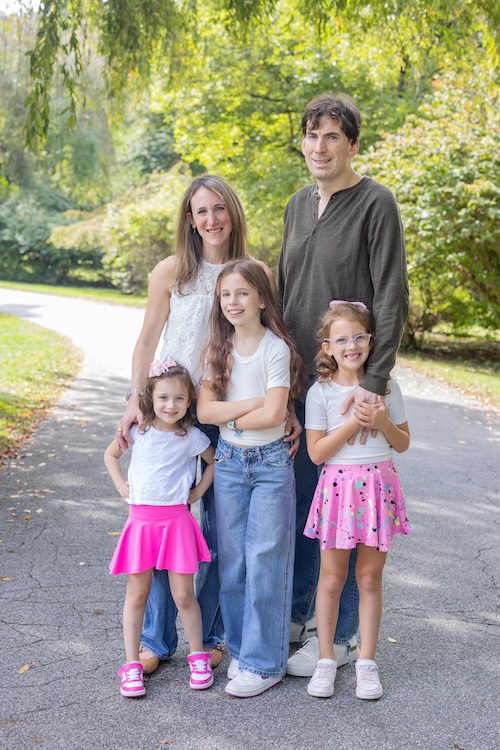
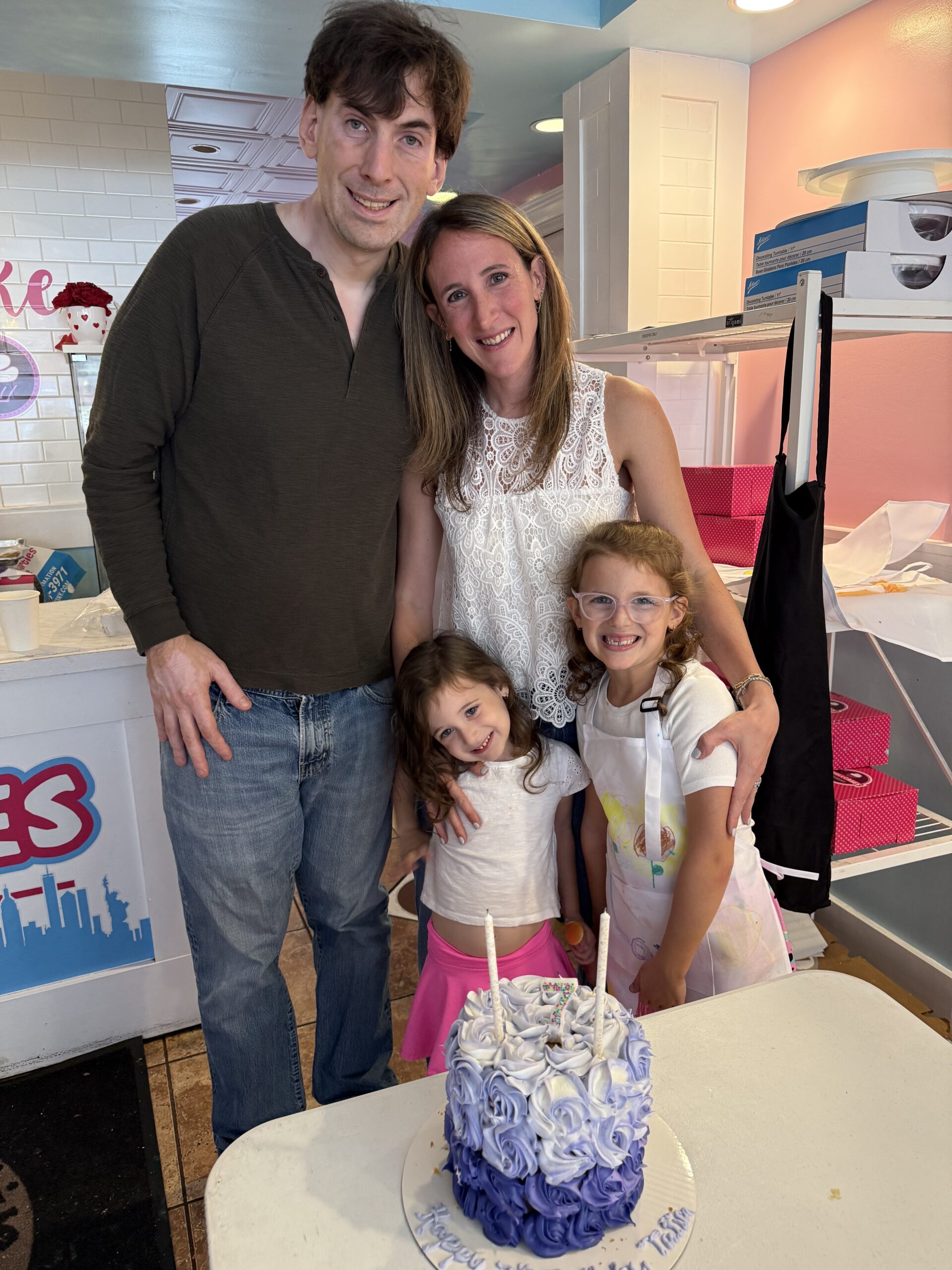
I am originally from Edgemont and currently live in Edgemont. My husband Charles grew up in the city and works in finance as a trader and we have 3 daughters – Layla (9,) Talia (7) and Payton (4.)
What inspired you to become a physical therapist, and how did your career path lead you to start Wright Choice Physical Therapy?
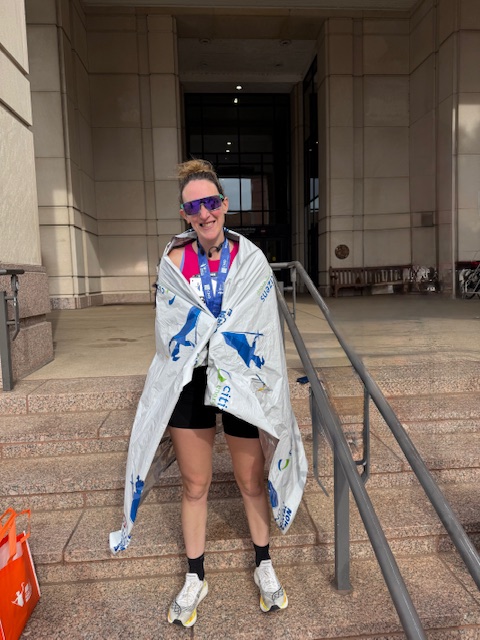
I am and always have been a very competitive runner – I was never personally injured when I was in high school, but I remember having teammates who would get injured – go to PT and come back 6-8 weeks later as if the injury never happened – this fascinated me and I wanted to learn everything about the body and how it healed from that experience. About 7 years into my career I had 2 kids and realized that our healthcare system prioritizes mom until she has a baby and then often the mom is “forgotten” about once a baby is born. Additionally, I felt that there was a lot of conflicting and often confusing information for women in regards to exercise during pregnancy, as well as return to exercise postpartum which is what started my interest in the pelvic floor field. I started Wright Choice Physical Therapy because I didn’t want moms to be limited by lack of childcare or nap/sleep schedules, so I wanted to be able to bring the care to these moms in the comfort of their own homes.
You specialize in pelvic floor physical therapy. For moms who may not know what that means, can you explain what pelvic floor PT is and who it can help?
Pelvic floor PT is a specialized type of physical therapy that focuses on the muscles at the bottom of your pelvis which function to support the bladder, bowel and uterus. These muscles play an important role in bladder control, bowel movements, core strength, posture and sexual function. The best way to think of your pelvic floor is like a small hammock of muscles inside your body at the bottom of your pelvis. Pelvic floor PT helps retrain these muscles so they work the way they are supposed to. In all honesty the answer to this is that everyone – women and men – can benefit from pelvic floor PT. Athletes, pregnant women, postpartum women, women in perimenopause/menopause, people with hip or back pain and people who have had any type of abdominal surgery can all benefit from pelvic floor PT.
What are some of the most common issues you see in women during pregnancy or postpartum, and what signs should moms look out for?
Hip pain, low back pain, increased urinary frequency, urinary leakage and significant straining with bowel movements/constipation are all common issues that I see during pregnancy and postpartum. Usually any pelvic pressure or pain in the area (including the low back or hip,) coupled with any urinary symptom are signs to look out for.
Your practice offers concierge in-home sessions. What does a typical session look like and why do your patients love this approach?
Typically we start the session by talking about things that have been better or worse over the last week or any change in symptom and what may have caused that change. From there we typically take a look at the areas of previous discomfort – most sessions I like to check out the hips, the back and the abdomen as well as posture and general muscle strength – but all of this varies depending on the person. We typically assess the pelvic floor if it is indicated and the individual is comfortable with that. From there we go over exercises to strengthen the core, hips and the pelvic floor muscles. Patient’s love this approach because it isn’t cookie cutter and it is individualized to each person and their specific needs – ie, if a client wants to get back to running, I will take them outside and work on exercises/drills to get them back to running, or practice actually running to see if the symptoms are present or resolved.
Many women deal with things like pelvic pain, incontinence, or core weakness but feel embarrassed to talk about it. What would you say to someone who is unsure about getting help?
I would say that things we think of as “normal” (like leakage after having a baby) are not only not normal but also fixable. Most people have some sort of pelvic floor dysfunction (men included) so you are not alone and you should get the help you need because there is a resolution that doesn’t necessarily require medicine or surgery.
You take a whole-body approach to care. How does pelvic health connect to things like back pain, hip pain, posture, and overall strength?
The whole body is connected through our nervous system and fascial connections. There have been many studies linking neck pain with pelvic floor dysfunction and foot weakness with pelvic floor dysfunction, so you really can’t zero in on one body part if you want to fix the whole system issue to get lasting benefits. You also have to think about the origin and insertion points of muscle groups – the low back muscles, the abdominals, the hip musculature and the pelvic floor muscles all have connections directly onto the pelvis so they will all impact each other and cause compensatory patterns without you even realizing it.
As a busy mom yourself, what are a few simple things women can do at home to support their pelvic health and feel stronger day to day?
Getting some form of movement every day – this is a huge priority for me. I truly believe that everyone has 20-30 minutes of their day to do some form of low impact core/hip strengthening, whether you do it on the floor in your room while watching your favorite show, or getting up 20 minutes earlier to get some movement in. Also doing something as simple as breathing and meditation to calm down your nervous system – there are links between increased pelvic floor tightness and upregulation of the vagus nerve which controls our fight or flight response.
What has been the most rewarding part of owning your own practice and helping women through such an important stage of life?
Just being able to make a difference with people who thought that they had to live with an issue such as leakage or pain with intercourse because they didn’t realize there was a solution. I’m a big fan of celebrating the little wins – like being able to sneeze and not have to cross your legs – which eventually add up to the big wins – like being able to do all the activities you want to because you don’t feel limited or like you will be embarrassed. Also, helping women to realize that they matter and their happiness and health matter, because in order to show up as our best selves for our children we have to take care of ourselves too.
We love local recommendations. What are your favorite spots around town for family fun, eating out, or a little self care?
As a big runner I’m a big fan of Rockefeller State Park – there’s acres and acres of beautiful woods that you can go for a walk or hike in all year round. I also love SLT in Rye Brook and any of the Pure Barre locations in Westchester for an amazing full body workout. As a family we love Pas-Tina’s and in the summer we love to go to Captain Lawrence where they have live music and the kids can run around while we eat dinner.

We’re incredibly grateful for our amazing community and the wonderful people and places that make it so special. Explore our Blog page for features that spotlight local businesses and more. Looking for something to do in Westchester? Check out our Local Guides and Calendar pages to discover what’s happening locally and follow along on Instagram for more!