
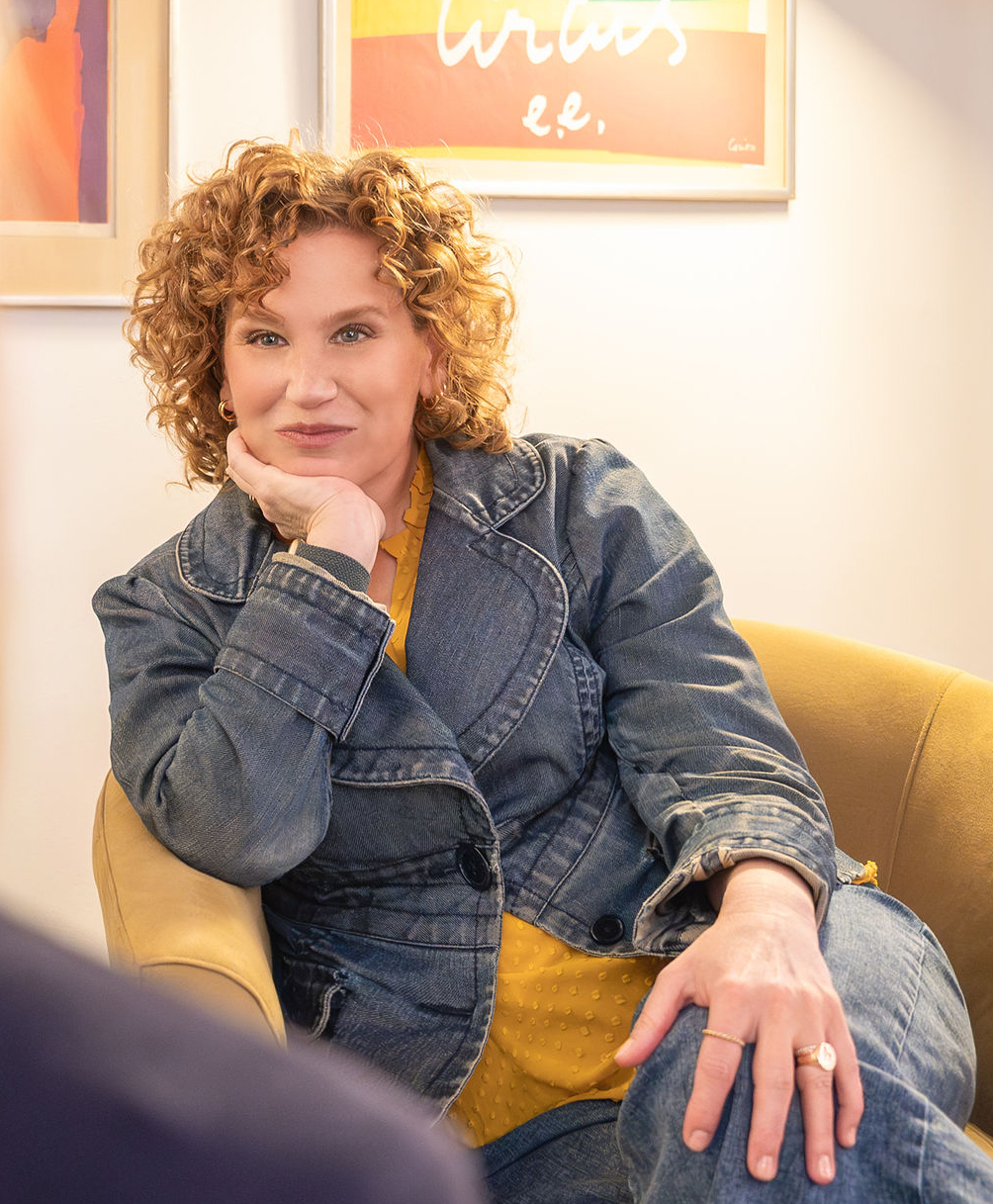
Interview by Kelly Postiglione. Photos submitted by Dr. Kate Chittenden.
We spoke with Dr. Kate Chittenden, psychologist at Clear Mind Psychology in Rye, NY. She shares her insights on supporting children’s mental health, helping them build resilience, and recognizing early signs that therapy may be beneficial. She also provides practical techniques families can use to manage stress together. Read on for her expert advice!
Where are you from originally and where do you live now?
I was born in Philadelphia and raised on Main Line Philadelphia, but both sets of my grandparents lived in Westchester. I spent my childhood traveling to Rye and Scarsdale to visit them. I currently live in the Beechmont neighborhood of New Rochelle.
How many children do you have and what are their ages?
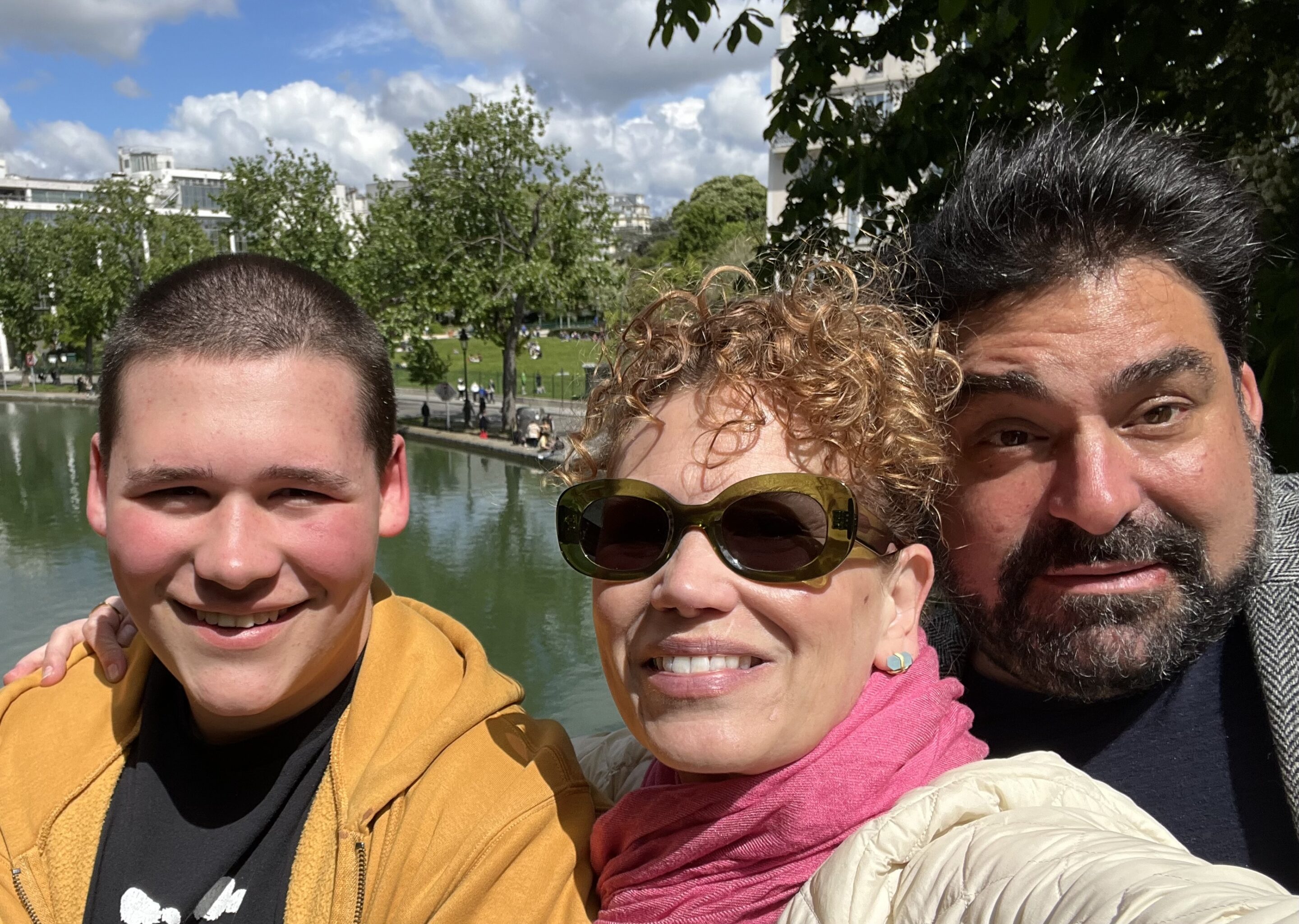
I have one beautiful 17-year-old son. He is a junior, and let me say—they aren’t kidding when they call it “hell year!”
Please tell us more about your professional background!
I have been a clinical psychologist for the past 25 years, mostly in the public health sphere at Columbia Presbyterian in the city, as well as Jacobi Medical Center and North Central Bronx Hospital in the Bronx. I started out working with children and families affected by HIV and eventually became the Training Director of Psychology at Jacobi.
Working in hospitals gave me the chance to truly see and treat the full spectrum of mental health concerns that can emerge for families under stress. Teaching early career psychologists has kept me grounded in research and the latest technical innovations in the field.
I have also had a small private practice for the past 15 years, specializing in trauma and the concerns of emerging adulthood. Oddly enough, I spent the first 10 years of my professional life as a special effects artist on Broadway, and I still lean on my artistic background in my work with kids and teenagers.
What services do you provide at Clear Mind Psychology?
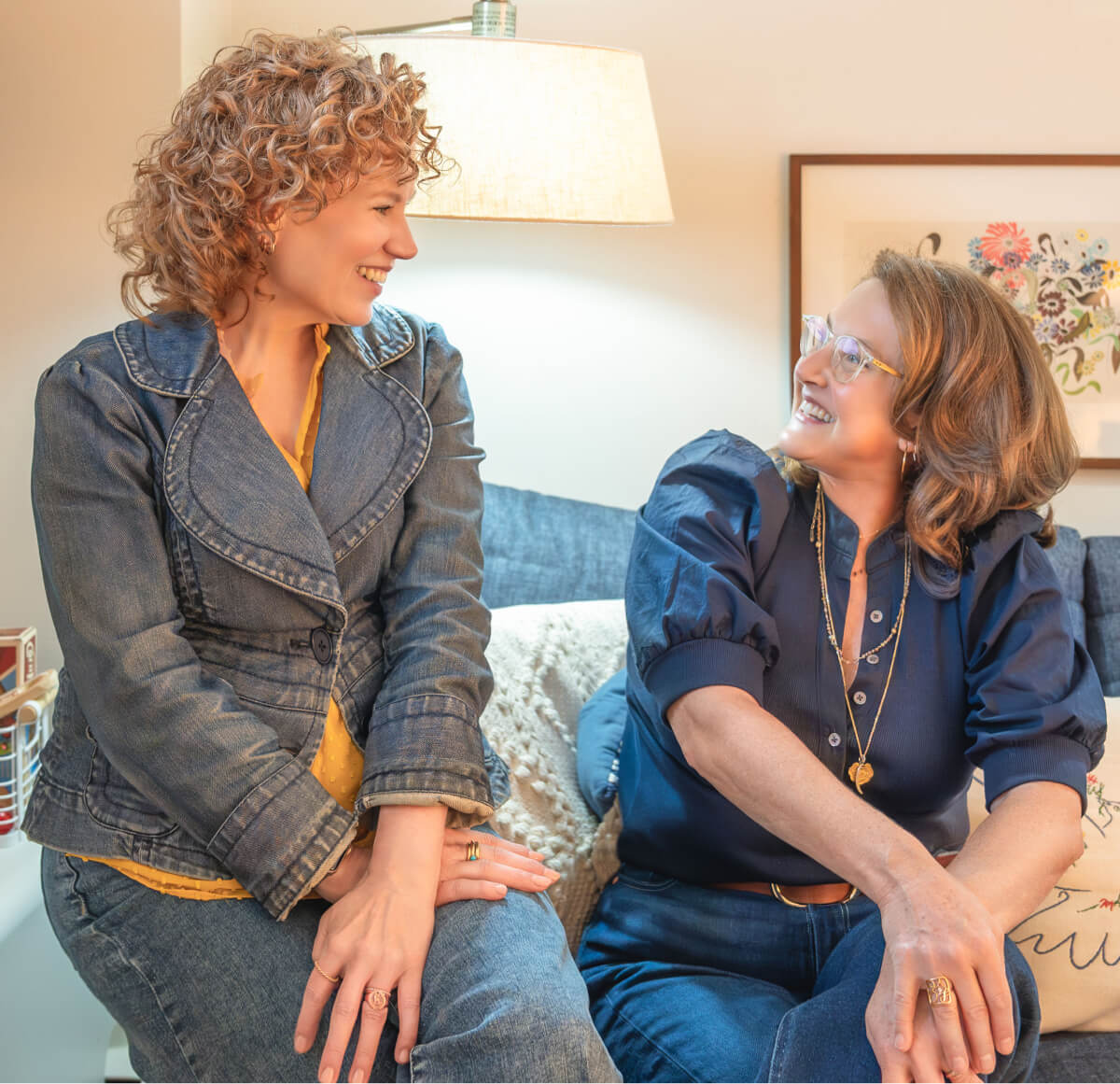
I treat clients ages 12 and up and also work with couples and families. The kind of person I work best with usually struggles with difficulties in self-regulation—someone who has big emotions that they manage with outbursts, irritability, and self-destructiveness, or alternatively, someone who internalizes, shuts down, and goes numb. Either tendency stems from and leads to depression, anxiety, and overwhelm, which in turn affects relationships with family and friends and interferes with basic functioning at school or work.
I also provide supervision for our wonderful junior colleagues and consult with other clinicians on difficult cases. Our practice serves families across the full lifespan, but we specialize in child and parenting work.
What common challenges do you see parents in our community face, and how can they best support their children’s mental health?
We are raising children in a pressure cooker of high expectations, intense academic and athletic competition, constant screen distractions, and a fair amount of uncertainty about the country and planet. Sometimes, it seems we respond to all of this with more and more activity rather than more thoughtful activity. We are creating “hurried children”—pushing them toward greater academic achievement, more exhausting extracurriculars, and expecting them to be more mature than their bodies and brains are capable of being.
The best way to support your child’s mental health is to truly take account of who your child is—their interests, talents, struggles, and especially their unique body and brain development. It’s so important for kids to learn to tolerate boredom and develop the capacity to daydream. That requires unstructured time without screens.
Two more things that are hugely underrated: regular family dinners and a parent’s ability to regulate their own emotions in the face of their children’s distress.
How can parents help children build resilience in today’s fast-paced and often stressful world?
Let them work it out on their own! That doesn’t mean leaving them alone with a difficult task, but it also doesn’t mean doing it for them. When you jump in too quickly, you send the message that they can’t handle it. Instead, let them know: “This is hard AND you can do it.”
That said, never give a child a task well beyond their capabilities—that’s a recipe for frustration, dysregulation, and low self-esteem. This goes back to truly understanding your child’s developmental stage and what their body and brain are ready for as they grow.
What are some early signs parents can look for to know if their child might benefit from therapy?
Anxiety and depression look very different in children than in adults. Here are some important early signs:
● When your child is having unexplained physical symptoms
● When your child loses developmental milestones they have already achieved
● When your child isolates themselves from family and friends
● When grades dramatically plunge
● When your child speaks in a hopeless way that indicates the lack of an investment in the
future
● When sleeping and eating dramatically change
● Irrational and sudden changes in personality and behaviors
● When your child engages in self-harm, drug or alcohol mis-use
● When differences in parenting begin to affect your marriage
Can you share a simple mindfulness or stress-management technique families can try together?
I always encourage families to introduce mindfulness and meditation as early as possible. Build it into the nighttime routine—it only takes a few minutes to practice a simple technique like box breathing. This involves breathing in for 4 counts, holding for 4 counts, breathing out for 4 counts, and holding for 4 counts again.
This practice helps children relax their bodies and minds, fall asleep faster, and lessen any fear of sleep that some kids develop. It also creates a routine based not on talking, but on connectedness and shared physical regulation. This is one of the best ways to calm an active mind and help children begin to trust their own ability to self-regulate. Even if your child is older, this can be a great way to check in with them right before bed.
We love to support local businesses! What are some of your favorite spots in the Sound Shore area?
Many of my favorite spots are outdoors—I love walking with my family and dog on the Leatherstocking Trail (part of the Colonial Greenway) or around the Rye Nature Center and the dog beach at Playland.
Speaking of dogs, I can’t say enough good things about Pet Rescue in Harrison.
For food, I go to Quaker Ridge Bagel in Wykagyl anytime I have family and friends visiting and want to provide a delicious and easy breakfast spread.
I’m a lifelong knitter, and there are wonderful fiber crafting supplies at Knit Shoppe in Mamaroneck and Stitch by Stitch in Larchmont.
Our favorite movie theater is definitely the independent Mamaroneck Cinemas.
Closer to my Rye office, I really enjoy the friendly service at Pet Pantry on Purchase Street, and of course, The Snackery and June & Ho for lunch and treats.
Finally, over the years, I’ve celebrated a handful of exciting milestones with a glass of wine and a platter of oysters at Ruby’s in Rye—so good!
We’re incredibly grateful for our amazing community and the wonderful people and places that make it so special. Explore our Blog page for features that spotlight local businesses and more. Looking for something to do in the Sound Shore area? Check out our Local Guides and Calendar pages to discover what’s happening locally and follow along on Instagram for more!